
Have you ever wondered what ” PVD coating ” is and where and why it’s used?
Thin-film coatings (often called’ PVD’, ‘ DLC’ , chrome replacement, or vacuum deposition) present an alternative way to improve product
characteristics or even appearance at a fraction of the per-part coating cost of other coating methods, and without the environmental impact. These include durable color and performance coatings, which are applied to reduce friction and wear-resistance.

Advantages OF PVD COATINGS:
Extremely thin: Typically, 0.25 to 10 microns, perfect for high-tolerance components where dimensions or mass are critical to function.
Flexible: Coat hardened metal or even plastic parts without softening using the unique, low-temperature thin-film process.
Durable: Multiple times the hardness of hardened steel and extremely wear resistant.
Reduces waste: Minimize your environmental impact with a thin-film coating process that generates no hazardous waste.
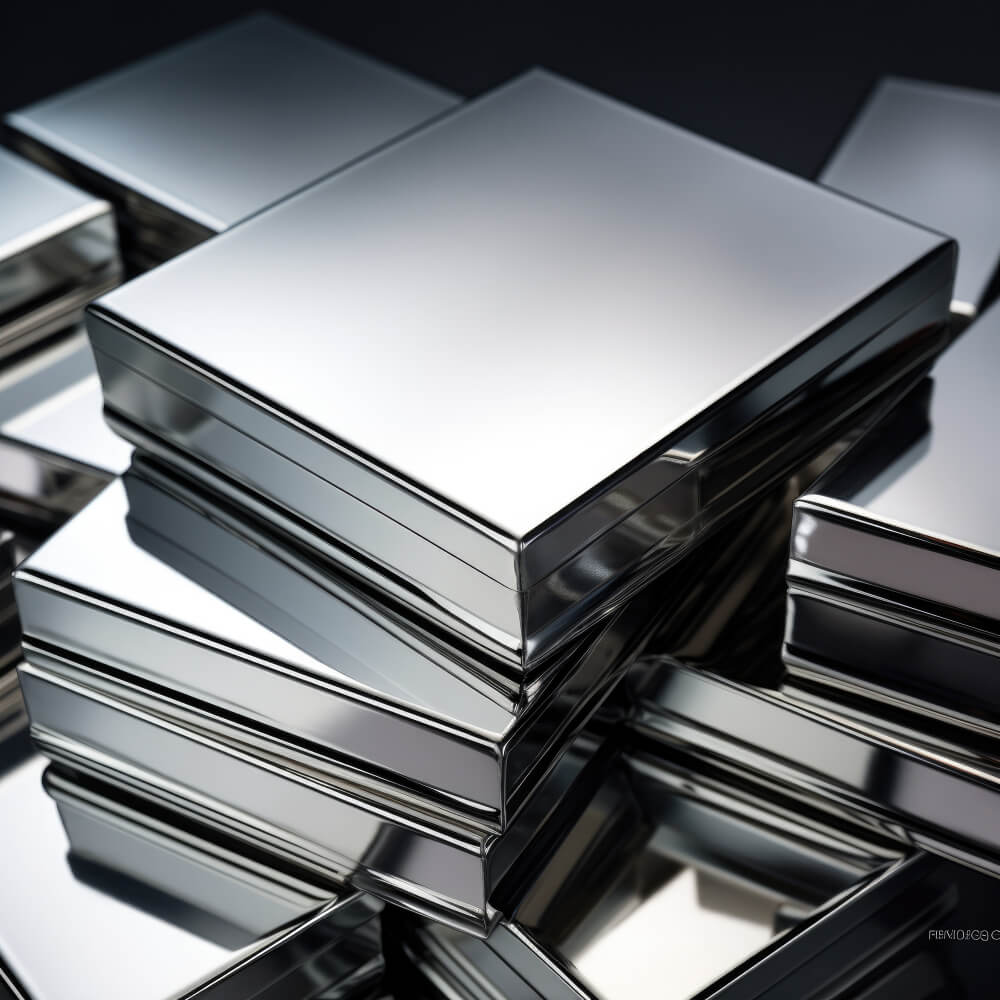
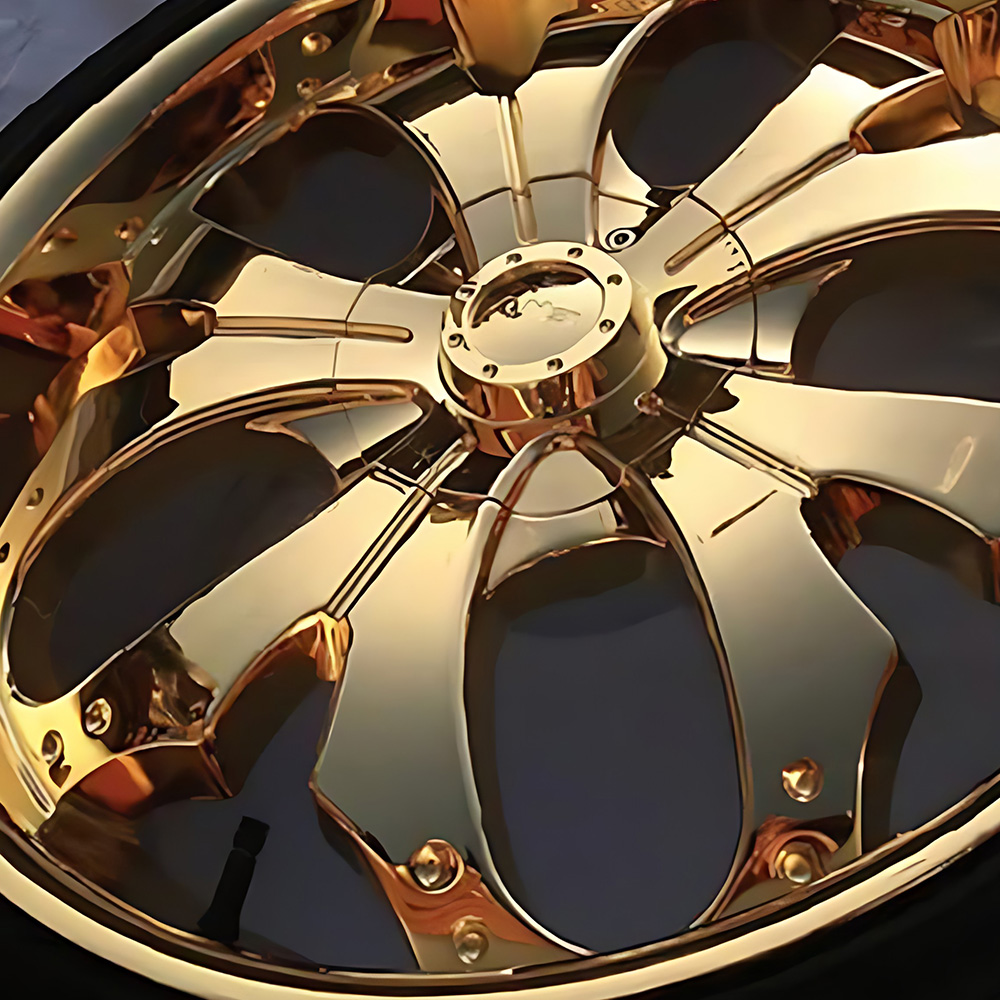
Improved appearance: Improve both durability and appearance with a broad range of colors from stainless steel to rose gold, blue, and black.
What is PVD coating used for?
Wondering which industries routinely used PVD coating and for what applications?
Automotive: Improve the function and durability of engine components and create a high end look for auto and motorcycle interiors and trim.
Chassis
Engine components
Interior trim
Home products: Create decorative finishes in many colors and add scratch/wear resistance to kitchen & bath fixtures.
Door hardware
Faucets (kitchen and bath)
Other plumbing products
Consumer goods: Add quality, durability, great colors, and added value to products.
Jewelry
Promotional items
Watches
Medical devices: Add chemical/wear resistance, hardness, and durable color without affecting product performance.
Dentistry
Orthopedics
Surgical instruments
Sporting goods: Quality sporting goods must look great, perform well, and be extremely durable.
Firearms
Golf clubs

Compare TO OTHER COATINGS:
Thin film compared to powder coating:
• Minimize part tolerance issues with a finish that is more than 50 times thinner.
• Products last longer due to significantly increased hardness and resistance to wear.
• Improve UV resistance with a metal-based finish vs an organic polymer.
Thin film compared to electroplating:
• Improved scratch and wear resistance due to increased hardness Differentiate a product with a broad range of metallic colors.
• An environmentally friendly process that does not require the use of acids, cyanides, or hexavalent chrome.
• Thin films can also be deposited over an electroplated base-layer to improve wear resistance and offer a broad range of colors.

The Process PHYSICAL VAPOR DEPOSITION:
1. The coating system chamber is pumped down to a high vacuum.
2. Parts are etched/cleaned by creating a high-energy argon plasma in the chamber.
3. Energy is added to a metal target causing it to vaporize through a” cathodic arc ” or ” sputtering ” process.
4. A high-voltage is applied to the parts to help draw vaporized metal to the surface.
5. A thin layer is deposited to improve coating adhesion, followed by one or more primary coating layers.
6. Small amounts of nitrogen, oxygen, or carbon-containing gases are added, which combine with the vaporized metal to form new compound materials with unique colors or functional characteristics.
7. The coating system chamber is cooled and brought back to atmospheric pressure.
The Process DIAMOND-LIKE CARBON:
1. The coating system chamber is pumped down to a high vacuum.
2. Parts are etched/cleaned by creating a high-energy argon plasma in the chamber.
3. A thin adhesion layer is deposited on the part surface to enhance the DLC coating’s adhesion.
4. A carbon-containing gas is added to the chamber as a carbon source.
5. A high voltage is applied to the parts to create an argon plasma that will break the gas’s carbon bonds and deposit a diamond-like carbon finish
on the part surfaces.
6. The coating system chamber is cooled and returned to atmospheric pressure.
Glossary OF INDUSTRY TERMS:
Adhesion Layer: As part of the thin-film deposition process, a thin layer of metal is often deposited on the part to make the coating adhere more
effectively to the surface. The coating equipment will automatically deposit the adhesion layer as part of the coating process.
Cathodic Arc: A PVD deposition method where a high-current electrical arc is applied to the surface of a target, causing the material to vaporize,
ionize, and condense on a part.
Coating System: The equipment required to deposit PVD coatings consists of a vacuum chamber, pumping system, racking system to hold parts, power supplies used for deposition, and a control system/user interface.
Diamond-Like Carbon (DLC): A thin-film coating made primarily of carbon with a diamond-like structure, extremely hard surface, low coefficient of friction, and gray to black color. DLC is often deposited using the PE-CVD process.
Magnetron Sputtering: A PVD deposition method where plasma is created at the surface of a target material, causing ions to bombard the
target surface and eject coating material towards the surface of a part.
PE-CVD (plasma-enhanced chemical vapor deposition): A thin- film process where elements in a gas (carbon, for example) are deposited on the surface of a part in a vacuum.
PVD (physical vapor deposition): A thin -film process where a solid metal or other material is evaporated in a vacuum and deposited on the surface of a part.
Reactive Deposition: A process where a small amount of gas is added to a vacuum deposition process. The gas combines with the vaporized target material to form a new compound coating. This process can change the coating’s hardness, color, or other physical characteristics. An example would be adding nitrogen gas to chromium deposition, creating a more wear-resistant chromium nitride coating.
Target or Source: A term used to describe the solid coating material before deposition. Different coating systems use different shape targets. Some common target materials include zirconium, chromium, or titanium.
Thin-Film Coating: A general term for any functional or decorative finish applied with a vacuum deposition process.
source: vaportech.com
Share your comments about the presented content with us.



No comments