
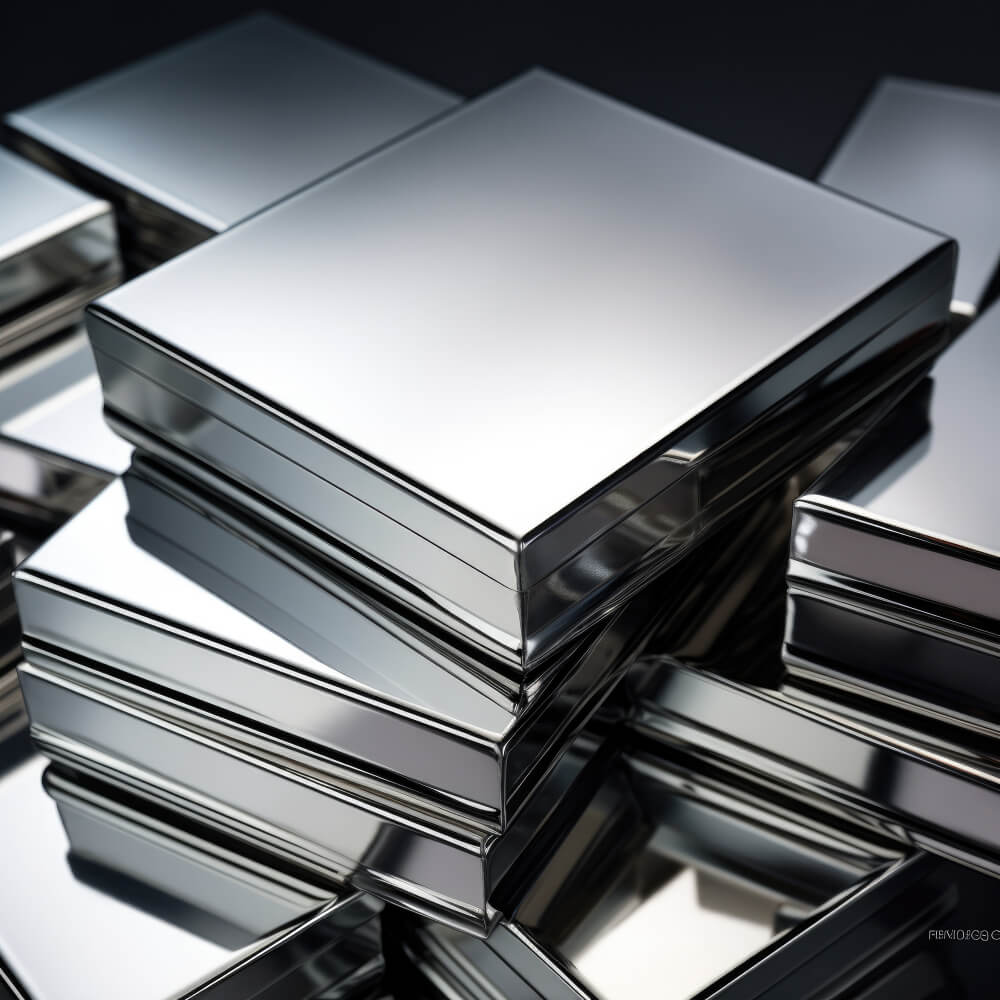
Aluminum vapor deposition, or physical vapor deposition (PVD) of aluminum, is a physical process in which aluminum is vaporized and deposited as a thin layer on a target surface. This method is typically used as a coating process to create a protective or reflective layer on various surfaces.
Aluminum Vapor Deposition Process:
- Aluminum Vaporization: In this process, solid aluminum is transformed into vapor using high heat (typically via electrical current or laser) in a vacuum chamber.
- Vapor Transfer: The aluminum vapor moves towards the target surface (such as glass, plastic, metals, etc.) within the vacuum chamber.
- Vapor Condensation on Surface: When the vapor reaches the surface, it condenses into a thin, uniform layer, forming a shiny and reflective coating.
Characteristics and Benefits of Aluminum Vapor Deposition:
- High Reflectivity: One of the primary reasons for using aluminum in this process is its high reflectivity. These coatings are widely used to create reflective surfaces in mirrors, car lights, and optical equipment.
- Corrosion Resistance: Aluminum coatings can protect surfaces from corrosive factors, especially in humid and acidic environments.
- Lightweight: Aluminum is inherently a light metal, so its vaporized coating does not add significant weight to the surface, making it suitable for applications requiring lightweight materials (such as electronic components or spacecraft).
- Thermal Insulation: This coating can act as a thermal insulator, as its high reflectivity helps reduce heat absorption.
- Compatibility with Various Materials: Aluminum coatings can be applied to a wide range of materials, including glass, plastic, metals, and composites.
- Mass Production Capability: The aluminum vapor deposition process is highly efficient for mass production and quick coating in various industries.
Applications of Aluminum Vapor Deposition:
- Mirrors and Reflective Surfaces: Aluminum vapor deposition is widely used in the production of optical mirrors, telescope mirrors, and reflective devices in car lights.
- Food Packaging: Some food packaging, such as potato chip bags or chocolate wrappers, is coated with a thin layer of aluminum vapor to prevent air and moisture infiltration.
- Solar Panels and Spacecraft: In the aerospace industry, aluminum vapor deposition is used to protect space equipment from solar radiation and heat.
- Optical and Electronic Tools: Many electronic and optical components are coated using this process to enhance light reflection or provide protection against various radiations.
- Automotive Industry: Aluminum coatings are used in car lights to create reflective and shiny surfaces.
- Protective Packaging: To protect sensitive materials from environmental factors (such as moisture or oxygen), aluminum vapor-deposited packaging is used.
Summary: Aluminum vapor deposition is widely used across various industries, including packaging, optics, automotive, and aerospace, due to its high reflectivity, corrosion resistance, and versatility in being applied to different materials. This process not only enhances product performance but also provides a shiny, aesthetically pleasing appearance.



No comments