
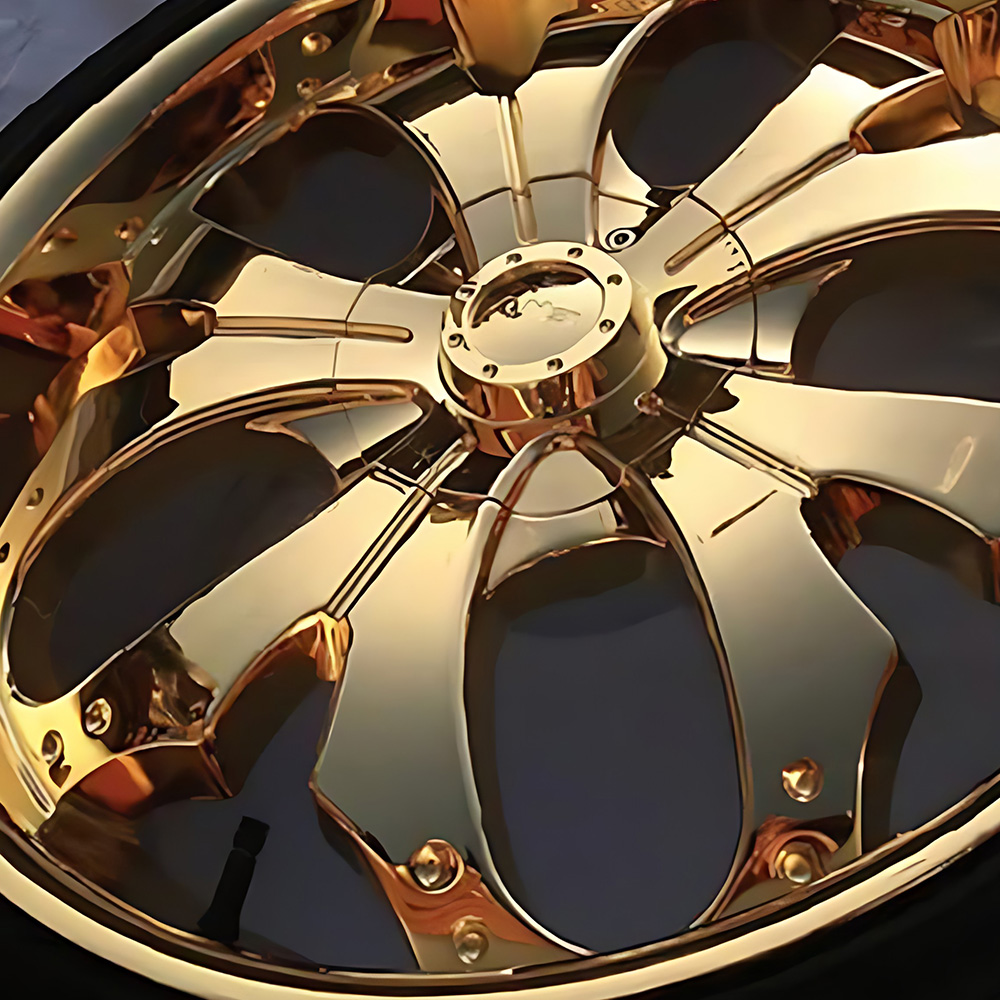

PVD coating (Physical Vapor Deposition) is a physical process used to create thin layers of various materials on the surface of components. This coating is achieved by converting solid materials into vapor and then depositing them as a thin layer on the target surface. PVD is one of the modern coating methods that has become highly popular in various industries due to its numerous benefits.
PVD Process Steps:
- Vaporization of the Coating Material: Initially, the material to be used as the coating (such as titanium, chromium, or aluminum) is vaporized under specific conditions.
- Vapor Transfer: The vapor is directed towards the surface of the component to be coated using electrical currents or laser radiation.
- Vapor Deposition on Surface: Once the vapor reaches the surface of the component, it gradually cools down and forms a thin layer on it.
- Formation of the Coating: Over time, a thin layer of coating material is formed on the surface, making the component more durable and aesthetically pleasing.
Benefits of PVD Coating:
- High Wear and Scratch Resistance: PVD coatings have high hardness, which increases the component’s resistance to scratches and wear.
- Corrosion Resistance: These coatings are typically resistant to chemicals and corrosion, thereby extending the service life of the components.
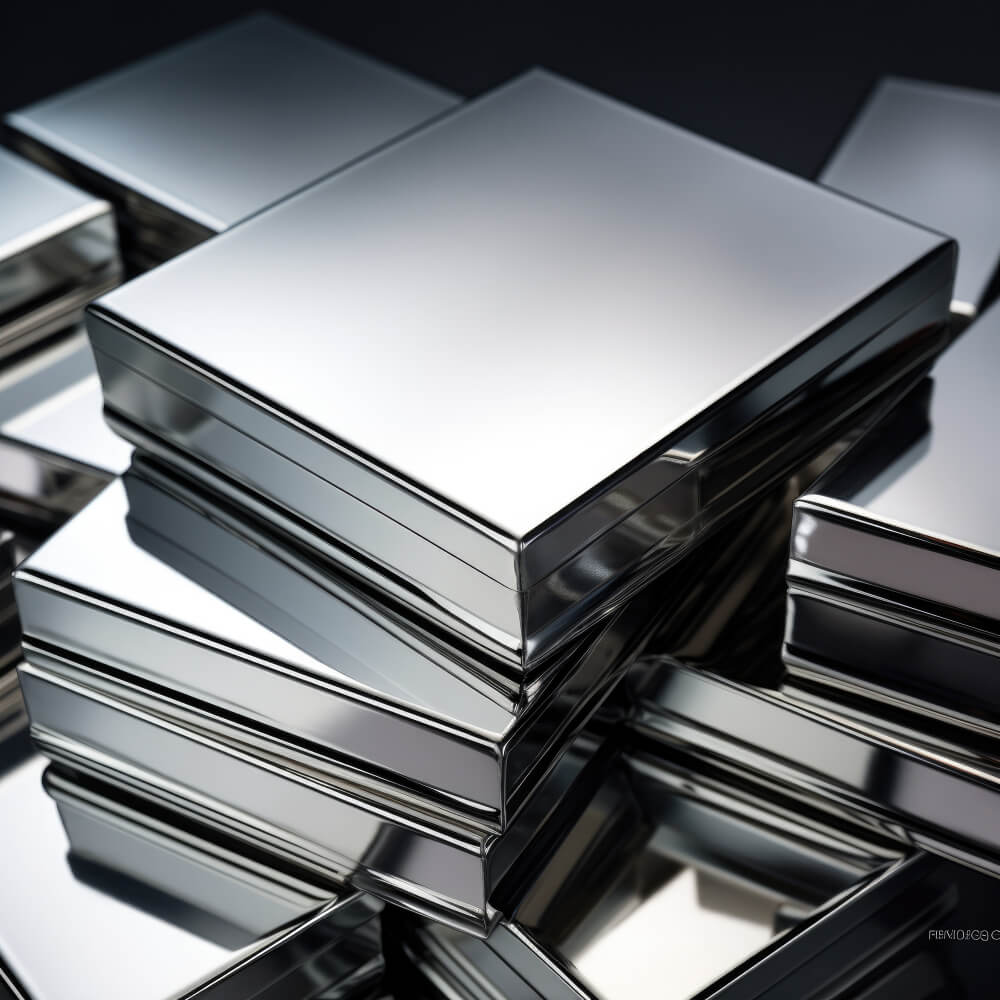
- Aesthetic Appearance: PVD can give components a shiny, beautiful appearance. These coatings are available in a variety of colors, such as gold, silver, black, and rainbow.
- Environmentally Friendly: Unlike many traditional coating methods, PVD has less environmental impact as it does not use harmful chemicals.
- Strong Adhesion: The layers created by PVD have strong adhesion to the component surface, making them stable and long-lasting.
- Heat Resistance: These coatings are resistant to high temperatures, making them suitable for industrial environments with elevated heat.
Applications of PVD Coating: Due to its specific properties, PVD coating is used in various industries:
- Automotive Industry: For parts requiring wear and corrosion resistance, such as engine components and car interior trims.
- Dentistry and Medicine: Used in making medical tools and implants to increase durability and resistance to wear.
- Watchmaking Industry: For coating watch bodies and straps to enhance beauty and resistance.
- Tool Industry: Cutting tools, drills, and molds are made more durable and longer-lasting with PVD coating.
- Jewelry Industry: To create shiny, scratch-resistant, and color-stable coatings.
- Electronics: Used in some electronic components to create durable and conductive layers.
In general, PVD is a modern and effective process for improving the performance and appearance of components in various industries, enhancing both their durability and aesthetics.



No comments